- Homepage
- A sound and blameless body
- Stunting of Children
- Stunting Story Weighs Hunger Versus Malnutrition
Stunting story weighs hunger versus malnutrition
This stunting story weighs hunger versus malnutrition in relation to the general acceptance by the public and even many NGOs that refined grains are good food; for example super maizemeal, cake flour and polished rice.
In Parts 1 and 2 we considered the extent of the problem facing South African society. Nearly half of the children in many rural villages are permanently stunted, mentally and physically; irreparably so. For the whole country that figure is over one quarter of all our kids; by the age of five.
In Part III we will today focus on the confusion between hunger and malnutrition.
Our children are plagued by hunger. Or should that be malnutrition?
Is there a difference?
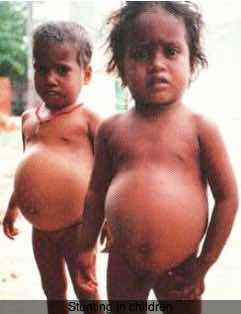
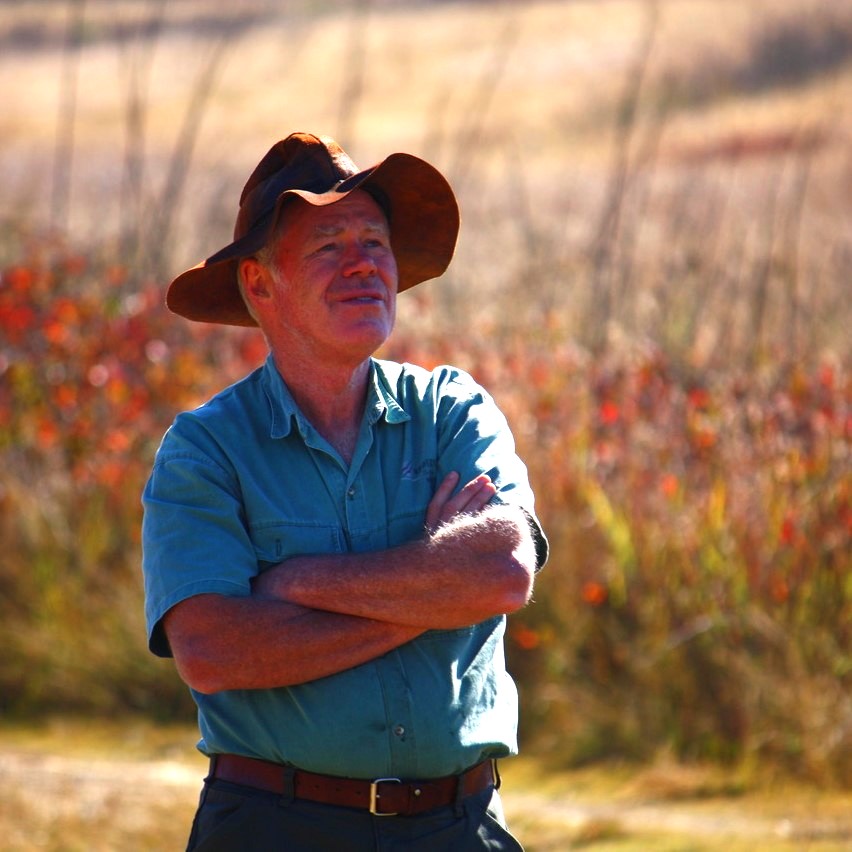
Our children are in crisis
"Our children are in a terrible crisis but we can use this as an opportunity to bring about crucial change," says Professor Mark Tomlinson[4].
Food should supply energy and the many vital nutrients necessary for healthy brains and bodies. In addition it must give satiety, that sense of fullness that comes after an enriching meal. That means plenty of fibre, the good fats and adequate protein.
Pseudo foods
Yet examination of the meals being handed out by many Food Banks, well-meaning NGOs and school nutrition programmes reveals that everything is hopelessly out of balance. They tend to be very high in ultra processed carbs like sugar, cake flour and refined maize.
Imported white rice from the East is, or at least was cheap; currently the price is at its highest but it is easy to store and transport because the bugs have no interest. They think it's worthless; they are right.
But all are very low in fibre, the good fats and protein. They are pseudo foods that masquerade as the real thing; they do not supply energy and nutrients.
Real food
Real food is without a doubt more costly, difficult to transport and has a finite shelf-life. The oils in true whole grains start to go rancid once milled; fresh milk, cheese and meat all have to be refrigerated. The avian flu epidemic has meant a shortage of eggs.
In order to achieve satiety, children eating processed food like polished rice and maizemeal have to consume a far greater quantity; too much starch in fact. The consequence is stunting but coupled with obesity; what the scientists call “chronic over-consumption of carbs.”
Today we are realising that really should read "over-consumption of ultrarefined carbs;" because whole grains are so difficult to find on grocery store shelves. Everything is processed.
That’s the first step on the road to hell, paved with good intentions; also known as type-2 diabetes.
"Vegetables are eaten under two times per week in 45% of households in South Africa."
- Nutrients[3]
The material expressed on this page is gleaned from the nutritional and environmental literature; it is clearly referenced. A plain distinction is made between the author's opinion and that which is scientifically proven. When in doubt consult your health professional.
To suggest a correction or clarification, write to Dr Bernard Preston here. Contact.
Food baskets loaded with junk
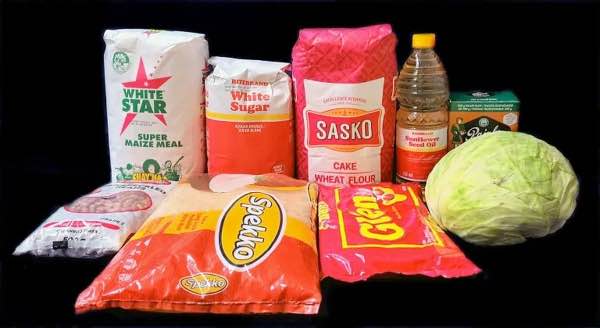 The basic food basket loaded with junk
Large companies donate their inferior products for free, instead of advertising. They gain thereby huge PR, often tax breaks and giving the feeling to impressionable young minds that these are the “good” foods.
And so today we find that polished rice, cake flour and super-refined maizemeal have a firmly established place in the “healthy food basket.”
Now add to that the confusion coming from politicians and some scientists over what constitutes good food. The McGovern Senate Select Committee on Nutrition in 1977, for example probably gave the most misleading and dire guidance ever to Americans; advice that is still believed and followed today.
Obesity, diabetes and inflammation
Within ten years obesity, diabetes and the chronic degenerative diseases began to rise; and continue to soar.
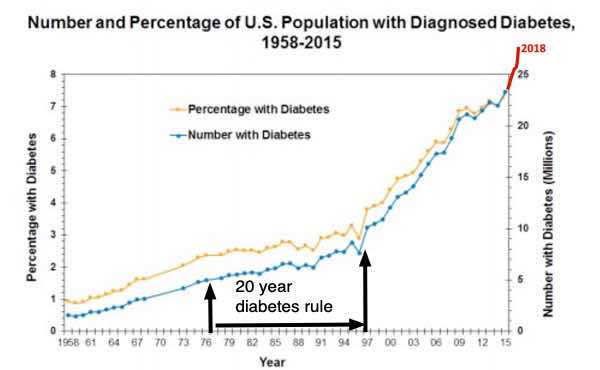
The unintended consequences of that commission is that people turned from the traditional diet of whole grains to those that are highly refined; and from animal fat to excessive inflammatory seed oils. That continues to negatively influence the entire world.
Much simply is about balance. Soybean, corn and sunflower seed oils contain essential fatty acids that our bodies cannot thrive without but today constitute 10% of the energy in many diets; that is highly inflammatory giving a sound explanation for the steep rise in chronic degenerative diseases.
Examining many food aid packages, we find they are hopelessly out of balance. Seed oils and ultrarefined grains predominate; that may satisfy hunger pangs for an hour or two but it gives no satiety and is malnutrition of the worst sort.
It is little wonder that more than a quarter of South African children are constantly famished and irreversibly stunted; and ironically frequently simultaneously obese.
Research confirms that stunted children grow into adults who will be at a higher risk of developing chronic degenerative diseases such a diabetes, metabolic syndrome and stroke.
Legumes for protein
The chickpea is an inexpensive source of protein and in particular the essential amino acid lysine that is so often deficient in those suffering from malnutrition. One kilogramme of this dried "grain legume" retailing for R38 in 2025 will provide 15 cups of excellent food.
Despite being the world's most popular and cheap source of protein you will never find chickpeas in a school feeding scheme.
Centralised meal planning
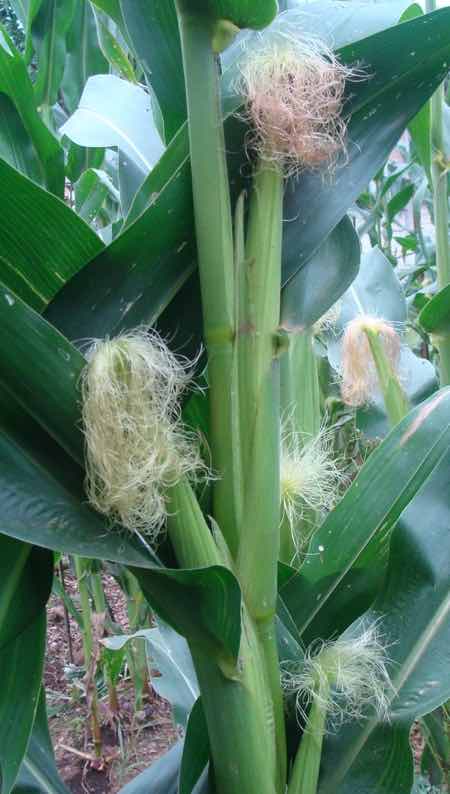
Another facet of stunting in South Africa, one often missed is the government’s insistence on centralising meals to schools. A large company is tasked with feeding millions of children. To make a profit they have to keep transport costs down; and provide cheap food with a long shelf life.
The alternative of empowering the regional communities to provide whole, fresh and nutritious food for school children is inconsistent with government ideology. The thought of encouraging the people to farm eggs, milk and corn on the cob to supply local state institutions is quite outside of their centralised planning; and so is the necessity of unrefined maizemeal too.
The beta-carotene vitamin A link
Over 40 children in South Africa die every single day from a vitamin A deficiency; mostly from infectious diseases like measles, diarrhoea and blindness[5].
Meningitis from a vitamin A deficiency too plays havoc with infants. 85,000 deaths worldwide according to a 2026 report in Lancet Neurology, many in Africa; and twice as many adults.
Vitamin A plays a central role in immunity; without adequate levels in the blood we are prone to every passing infection. Always looking for shortcuts we keep hoping that immunizations shots will fix the problem; money spent on food rich in beta-carotene would be a lot more effective.
Clearly the system at every level needs transformation. There is enough to go round nationally but reducing food waste, getting the excess to the poor and empowering local farmers is proving a "bridge too far."
Yellow maizemeal for the vitamin A
In South Africa a strange belief exists; yellow maize is for animals but humans eat only white. And it must be super-refined so that it cooks quickly and requires no chewing.
There is zero beta-carotene in white maize; a change to yellow corn would almost entirely ameliorate these deaths of our children. It has far more flavour too, requiring less salt and sugar to make it tasty.
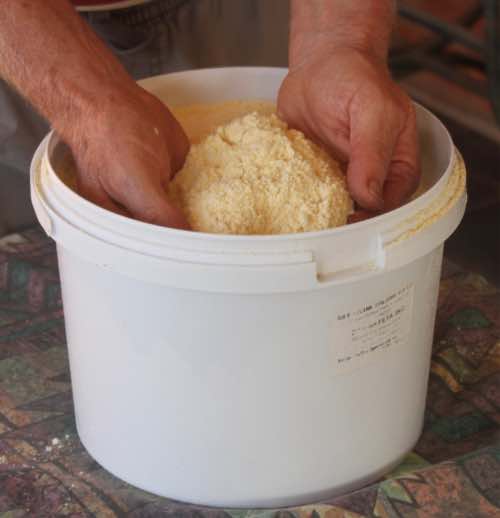 Superfine 100% yellow maizemeal is rich in beta-carotenes
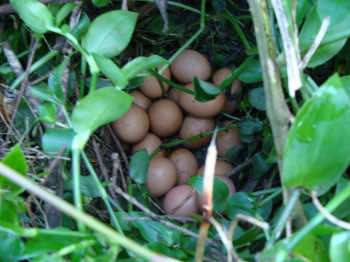
The yolks of free-range eggs too are rich in beta-carotene.
Taxation
South Africa has taken the unpopular decision to place a sin-tax on sugar. There is general consensus amongst nutritionists that whilst we all have a sweet tooth, it’s extremely bad for us; and particularly our children.
However there is no such universal agreement that all ultrarefined carbs should be treated in the same way.
In fact the chairman of the American Heart Association is on record as having said that cake flour and super-refined maizemeal are even worse for our bodies than sugar.
These food sin-taxes could then be ring fenced to provide subsidies on those starches, proteins and fats that provide not only energy but also even more importantly, nutrients vitally needed to prevent stunting; and to stimulate the immune system.
School feeding schemes are central to both the problem and the solution. Currently they continue to supply many pseudo foods from which much of the goodness has been extracted; like super-refined maizemeal.
Imported white rice places a massive R9 billion drain on the fiscus. So there is less money available for service delivery; cheap electricity and water for example. Yet SA can produce more than enough starch for its own people.
We have discussed that real food must contain both nutrients and energy; current school feeding schemes do not qualify thus it comes as no surprise that so many millions of children are permanently stunted and die from infectious diseases.
"People who are crazy enough to think they can change the world, are the ones who do."
- Rob Siltanen
Stunting story weighs hunger versus malnutrition
Stunting story weighs hunger versus malnutrition in our children; tragically by the age of five permanent damage has been done even before they have reached school; they will never learn to read with understanding.
Perhaps even worse according to the 2026 PIRLS report, after three years of schooling, 15% cannot read one word in any language. It has little to do with poor teaching and everything stems from poor nutrition.
- The stunting story has three elements
- Stunting story and severe food insecurity
- Stunting story weighs hunger versus malnutrition
- Stunting story recommends local mills for freshly-ground grains
- Stunting story suggests scenarios to restore harmony and balance
- Stunting story ponders what government could do
- Christiaan Eijkman, Berib and Vitamin B1
- Let's talk about hunger
- The Food Environment of Primary School Learners in a Low-to-Middle-Income Area in Cape Town, South Africa
- Our children are in terrible crisis, but we can use this as an opportunity to bring about crucial change
- The case of vitamin A in South Africa
When browsing use right click and "Open Link in New Tab" or you may get a bad gateway signal.
Newsletter
Our newsletter is entitled "create a cyan zone" at your home, preserving both yourself and Mother Earth for future generations; and the family too, of course. We promise not to spam you with daily emails promoting various products. You may get an occasional nudge to buy one of my books.
Here are the back issues.
- Lifestyle and ideal body weight
- What are ultra-processed foods?
- Investing in long-term health
- Diseases from plastic exposure
- Intensive lifestyle management for obesity has limited value
- A world largely devoid of Parkinson's Disease
- The impact of friendly bacteria in the tum on the prevention of cancer
- There's a hole in the bucket
- Everyone is talking about weight loss drugs
- Pull the sweet tooth
- If you suffer from heartburn plant a susu
- Refined maize meal and stunting
- Should agriculture and industry get priority for water and electricity?
- Nature is calling
- Mill your own flour
- Bake your own sourdough bread
- Microplastics from our water
- Alternative types of water storage
- Wear your clothes out
- Comfort foods
- Create a bee-friendly environment
- Go to bed slightly hungry
- Keep bees
- Blue zone folk are religious
- Reduce plastic waste
- Family is important
- What can go in compost?
- Grow broad beans for longevity
- Harvest and store sunshine
- Blue zone exercise
- Harvest and store your rainwater
- Create a cyan zone at your home
Did you find this page interesting? How about forwarding it to a friendly book or food junkie? Better still, a social media tick would help.
- Homepage
- A sound and blameless body
- Stunting of Children
- Stunting Story Weighs Hunger Versus Malnutrition
Address:
56 Groenekloof Rd,
Hilton, KZN
South Africa
Website:
https://www.bernard-preston.com